Couples Therapy
Gottman-informed work to help you and your partner communicate better, address conflict productively, and rebuild closeness.
Learn more →Everything after that, I can make simple. Here is exactly what happens from the moment you decide to reach out, so nothing about the process has to feel like a mystery.
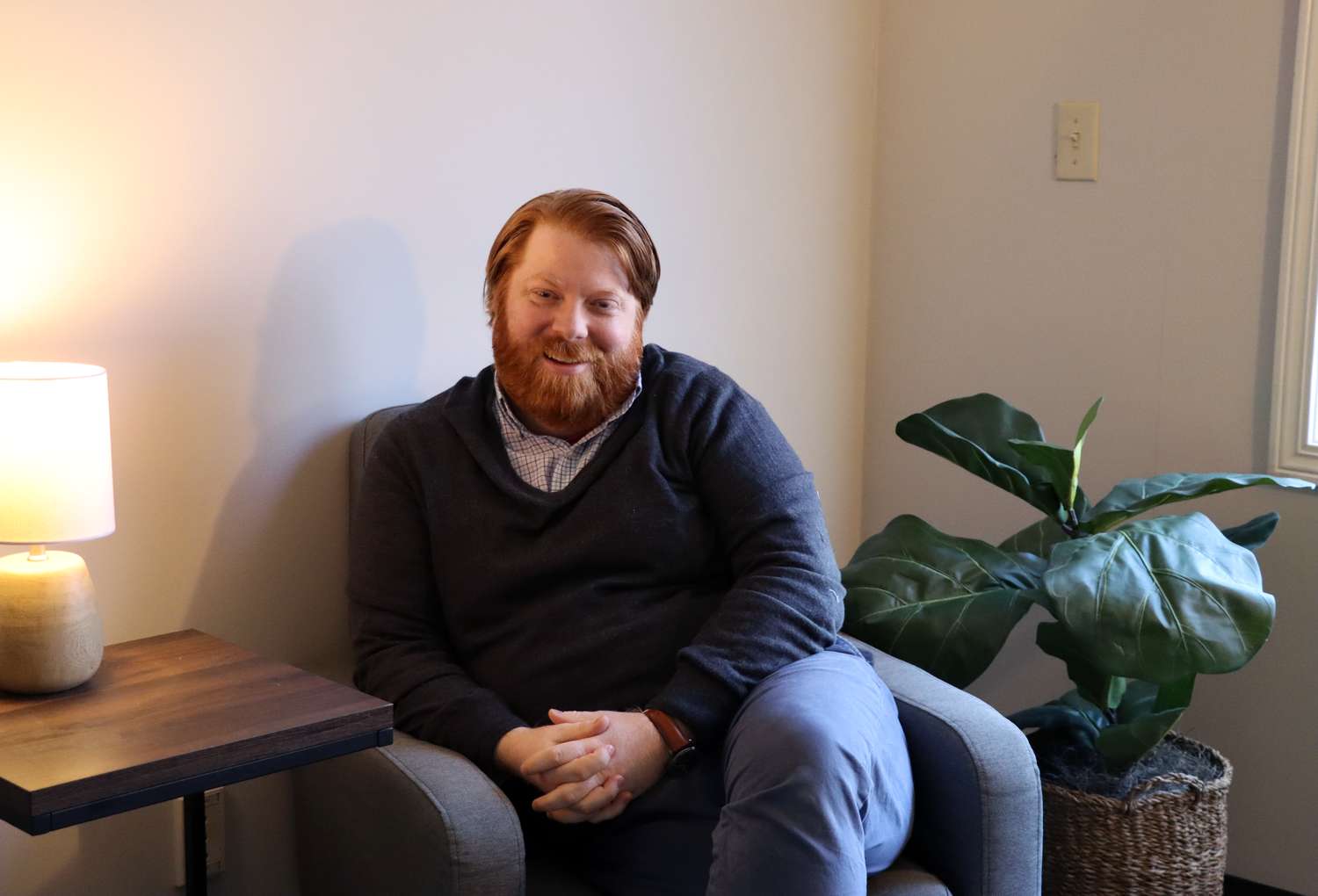
If you are reading this page, something in your life is asking for attention. Maybe it has been building for years, or maybe it arrived last week and knocked the wind out of you. Either way, reaching out takes courage, and I do not take it lightly that you are considering doing that here.
My name is Justin Puch. I am a Licensed Professional Counselor, and I have spent my career sitting with people in the middle of hard seasons: couples who have stopped understanding each other, teens who feel like no one is listening, adults carrying more than they can name out loud. What I have learned is that people are far more capable of change than they believe when they first walk in.
You will not find a blank stare and a notepad here. I am warm, I am direct, and I will tell you honestly what I think. Therapy works best when it feels like a real relationship with someone who is genuinely in your corner, and that is what I aim to give you.
Whenever you are ready, the first step is below. And if you are not sure yet, that is okay too. A free 15-minute consultation, scheduled through the client portal and held by video or by phone if you prefer, costs you nothing but a few minutes of your day.
Justin Puch, LPC
Founder, Summit Ridge Counseling
Most new clients are seen within one to two weeks of reaching out.
Head to the secure client portal and set up your account. It takes about two minutes and gives you a private, HIPAA-compliant home base for scheduling, forms, messages, and billing.
Open the client portal →Both are scheduled right inside the client portal, where you see real availability. Choose whichever fits you: a free 15-minute consultation, held as a secure video meeting through the SimplePractice portal, or go straight to booking your first full session. Would rather talk by phone? Book the consultation and text me, and I will call instead.
See available times →Intake forms, consents, and insurance details arrive in your portal after you book. Filling them out ahead of time means your first session is spent talking with me, not filling in boxes. Plan on about 15 minutes.
Your first session is a conversation, not an interrogation. We talk about what brought you in, what you are hoping changes, and what has already been tried. By the end, you will leave with a shared sense of direction and a plan for what comes next.
When I am in-network with your plan, you are responsible only for your copay, coinsurance, or remaining deductible. I file the claim for you.






A five-minute call to the member services number on your card removes almost every billing surprise. Ask:
You still have options, and I will help you understand them.
Not sure where you land? Send me a note and I will help you sort it out before you commit to anything.
If you have never been to therapy, here is the honest version.
Individual sessions run about 50 minutes. Couples and family sessions run about 60. Most people start weekly, which builds momentum, then move to every other week as things stabilize.
We cover your history, what is happening now, and what you want to be different. You are never required to share more than you are ready to share. Going slow is allowed.
Therapy is not aimless talking. Within the first few sessions we name what we are working toward, so you can tell whether it is working. If it is not, we say so and adjust.
Sessions are confidential and protected under HIPAA. The narrow exceptions, which I will explain in your first session, involve imminent safety risk, suspected abuse of a child or vulnerable adult, and valid court orders.
Some weeks feel like breakthroughs and some feel like treading water. Both are part of it. What matters is the overall direction, which we will check on regularly.
Some people come for a specific problem and finish in a few months. Others stay longer. There is no minimum commitment and no pressure to keep going once you have what you came for.
Gottman-informed work to help you and your partner communicate better, address conflict productively, and rebuild closeness.
Learn more →Support for teens facing ADHD, anxiety, depression, oppositional behavior, and the school or family pressures that come with these years.
Learn more →Evidence-based care for anxiety, depression, trauma, life transitions, and the quiet weight of not feeling like yourself.
Learn more →Work with parents, teens, and blended families on communication, conflict, and finding a way forward together.
Learn more →ADHD assessments, drug and alcohol evaluations, and 504 or IEP documentation to support your next step.
Learn more →Psychosocial and diagnostic assessments, reunification therapy, and expert witness testimony for court-involved families.
Learn more →Fit matters more than credentials in therapy, and it is not a reflection on either of us if we are not the right match. Tell me, and I will help you find someone who is. I keep referral relationships across the Kansas City metro for exactly this reason, including specialties I do not treat.
Ask them before you commit to anything. That is what the consultation call is for.
Messages and calls are returned within one business day. Please do not send urgent or crisis information by email or text.